
What Is a Fire Risk Assessment for Flats?
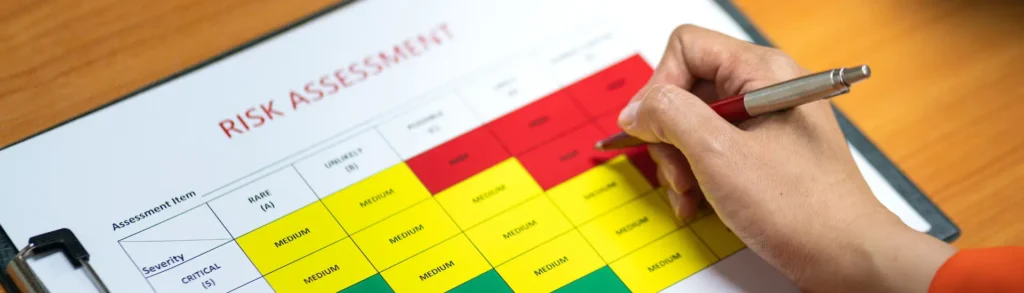
A fire risk assessment for flats is a careful review of a residential building to identify fire hazards, assess the safety measures already in place, and determine what needs improvement. It looks at how a fire could start, how it could spread, who could be at risk, and whether people can safely escape or stay protected in line with the building’s fire strategy. For blocks of flats, the assessment usually focuses on the building’s shared areas. These can include entrances, corridors, staircases, lifts, bin stores, plant rooms, communal rooms, escape routes, external walls, and flat entrance doors. A good fire risk assessment is not just a form to keep on file. It’s a working safety document. It should clearly show what risks were found, what action is needed, who is responsible for the action, and when it should be completed. If you need to arrange an assessment, you can book a fire risk assessment for flats in London through our service. Key Takeaways Why Flats Need a Fire Risk Assessment Flats have different fire safety needs from single homes because many people live in one building and share the same escape routes. A small fire in one part of the building can create smoke, block a corridor, damage a fire door, or affect people who live on other floors. A fire risk assessment helps prevent these problems before they become serious. It checks whether the building has suitable fire precautions and whether those precautions are being maintained. For landlords, freeholders, housing associations, resident management companies, and managing agents, it also helps show that fire safety duties are being taken seriously. Most importantly, it protects residents. People living in flats need clear fire safety information, safe escape routes, working fire doors, suitable alarms where required, and properly managed common areas. Who Is Responsible for Fire Safety in Flats? The person or organisation in control of the common parts is usually responsible for arranging the fire risk assessment. This may be the freeholder, landlord, managing agent, housing provider, resident management company, or right-to-manage company. This person is often referred to as the responsible person. Their role is to make sure the assessment is completed, recorded, reviewed, and acted on. In some buildings, more than one person may have fire safety duties. For example, a freeholder may own the building, a managing agent may handle daily management, and a contractor may maintain fire safety equipment. In that case, everyone involved should share information and work together. The responsible person can appoint a competent fire risk assessor, but they still need to make sure the assessment is suitable for the building. Choosing someone with the right knowledge, training, and experience is important, especially for larger or more complex blocks. What Areas of a Block of Flats Are Checked? A fire risk assessment for flats typically examines the shared parts of the building and any features that could affect fire spread or escape. This can include communal corridors, stairwells, entrance halls, shared cupboards, meter rooms, bin stores, plant rooms, lifts, emergency lighting, fire doors, smoke control systems, alarm systems, signage, firefighting equipment, and access for the fire and rescue service. The assessment may also look at the structure, external walls, balconies, and the doors between flats and common areas. Flat entrance doors are especially important because they help protect escape routes from smoke and flames. Inside individual flats is usually outside the main scope of a common parts fire risk assessment. However, fire safety within flats still matters. Residents should be given clear advice on fire doors, escape procedures, safe use of appliances, and what to do if a fire occurs. What Happens During a Fire Risk Assessment? A competent assessor will inspect the building, review fire safety records, and assess how the building is used day-to-day. They will identify possible ignition sources, such as electrical equipment, heaters, smoking materials, or unsafe storage. They will also look for fuel sources, such as rubbish, furniture, flammable items, or materials kept in shared areas. Next, they will consider who may be at risk. This includes residents, visitors, contractors, cleaners, staff, and anyone who may need extra help in an emergency. The assessor will then check the building’s fire precautions. This may include escape routes, fire doors, emergency lighting, smoke ventilation, alarms, signs, fire stopping, maintenance records, and resident fire safety information. After the visit, the findings should be written in a clear report. The report should explain the risks, rate their seriousness, and set out an action plan. Common Fire Risks Found in Flats Many fire risks in flats come from poor management of shared spaces. Corridors and staircases should stay clear because they are often the main escape routes. Items such as bikes, pushchairs, furniture, rubbish bags, and boxes can block people trying to leave and can also help a fire spread. Damaged or poorly fitted fire doors are another common issue. A fire door that does not close properly cannot do its job. Gaps, broken seals, faulty closers, and residents propping doors open can all increase risk. Electrical risks are also common. Overloaded sockets, unsafe wiring, damaged lighting, and poorly maintained equipment can all cause fires. Other issues may include missing signs, faulty emergency lighting, blocked fire service access, poor housekeeping in bin stores, damaged fire stopping, unclear fire procedures, and residents not knowing what to do if a fire starts. A strong fire risk assessment does not just list these problems. It gives practical steps to fix them. How Often Should a Fire Risk Assessment Be Reviewed? A fire risk assessment should be kept under regular review. It should also be reviewed when something changes in the building. Changes may include refurbishment work, new cladding or external wall works, changes to the fire strategy, damage to fire doors, a fire incident, changes in residents’ needs, new equipment, or changes in how communal areas are used. For higher-risk buildings, reviews may need to happen more often. Even in smaller blocks, regular checks are